Sign up for template launches and insights
Your website platform matters more as your business grows. After building sites on Showit, Squarespace, and Webflow, we’ve seen which ones hold up and which create friction over time. This post explains why we chose Webflow for Sandserif templates and what that means for your site long term.
SEO doesn’t need to be complicated, but it does need to be intentional.
For creative businesses, SEO works best when it’s built into your website from the start, not layered on later as an afterthought. You don’t need to chase trends or stuff keywords everywhere. You need clarity, structure, and consistency.
Here are the basics we focus on.
Start with clear structure
Search engines are trying to understand your website the same way people are. Clear page structure, logical navigation, and intentional hierarchy make that easier.
This means:
- One clear purpose per page
- Headings used in order, not for styling
- Pages that answer real questions your clients have
When structure is clear, SEO becomes much simpler.
Write for people first
The best SEO content sounds human. It’s clear, specific, and helpful.
Focus on:
- Explaining what you do plainly
- Naming who it’s for
- Answering common questions clients ask before reaching out
If your content makes sense to a real person, it’s usually doing its job for search engines too.
Be intentional with page titles and descriptions
Page titles and meta descriptions matter, but they don’t need to be perfect.
Use:
- Clear, descriptive titles
- Language your clients would actually search
- Consistent formatting across your site
Avoid keyword stuffing or trying to rank for everything. Clarity wins.
Images matter more than you think
Creative sites rely heavily on visuals, but images need context.
Simple steps help a lot:
- Descriptive file names
- Alt text that explains what the image shows
- Balanced image sizes so pages load quickly
This improves accessibility and search visibility at the same time.
SEO is cumulative, not instant
SEO is not about quick wins. It’s about building a site that makes sense over time.
A well-structured website with clear content will almost always outperform a visually impressive site with no strategy behind it.
Our approach
At Atlas, we design templates with SEO fundamentals built in. The structure, headings, and layouts are intentional so you’re not starting from zero or guessing what matters.
You don’t need to master SEO. You need a foundation that supports it.
Latest Insights

Proven Page Flow: The Order That Turns Browsers Into Buyers
Confused about how to organize your website? This in‑depth guide introduces the “Proven Page Flow,” a framework that places each section—headline, value proposition, social proof, offer, and call‑to‑action—in the right order. With examples, before/after rewrites, common mistakes, and a copy‑and‑paste checklist, you’ll transform browsers into buyers.
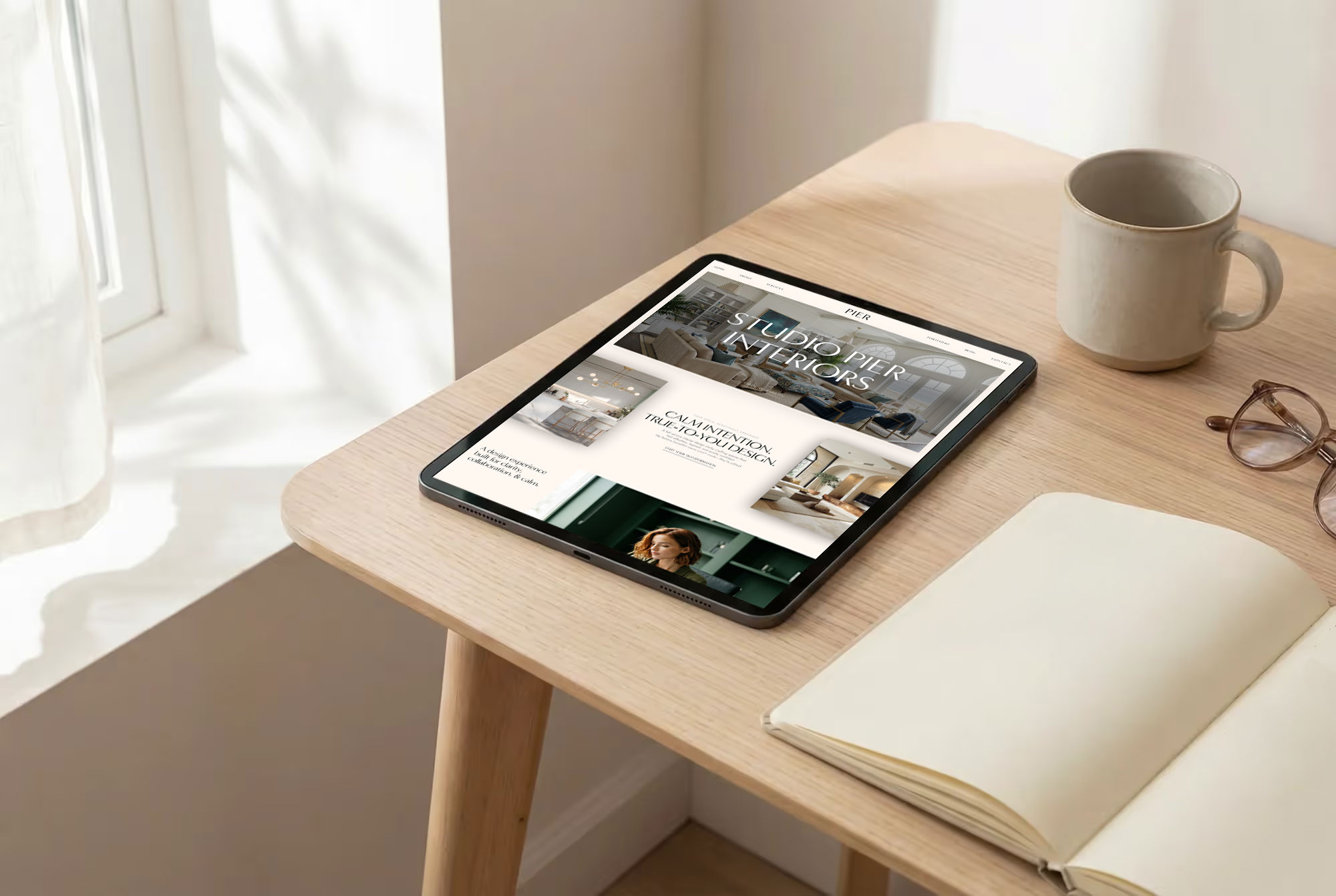
SEO Basics for Creative Businesses (Without the Overwhelm)
SEO works best when it’s simple and built in from the start. You don’t need tactics or trends, you need clarity and structure. This post covers the SEO basics we focus on when building websites for creative businesses.
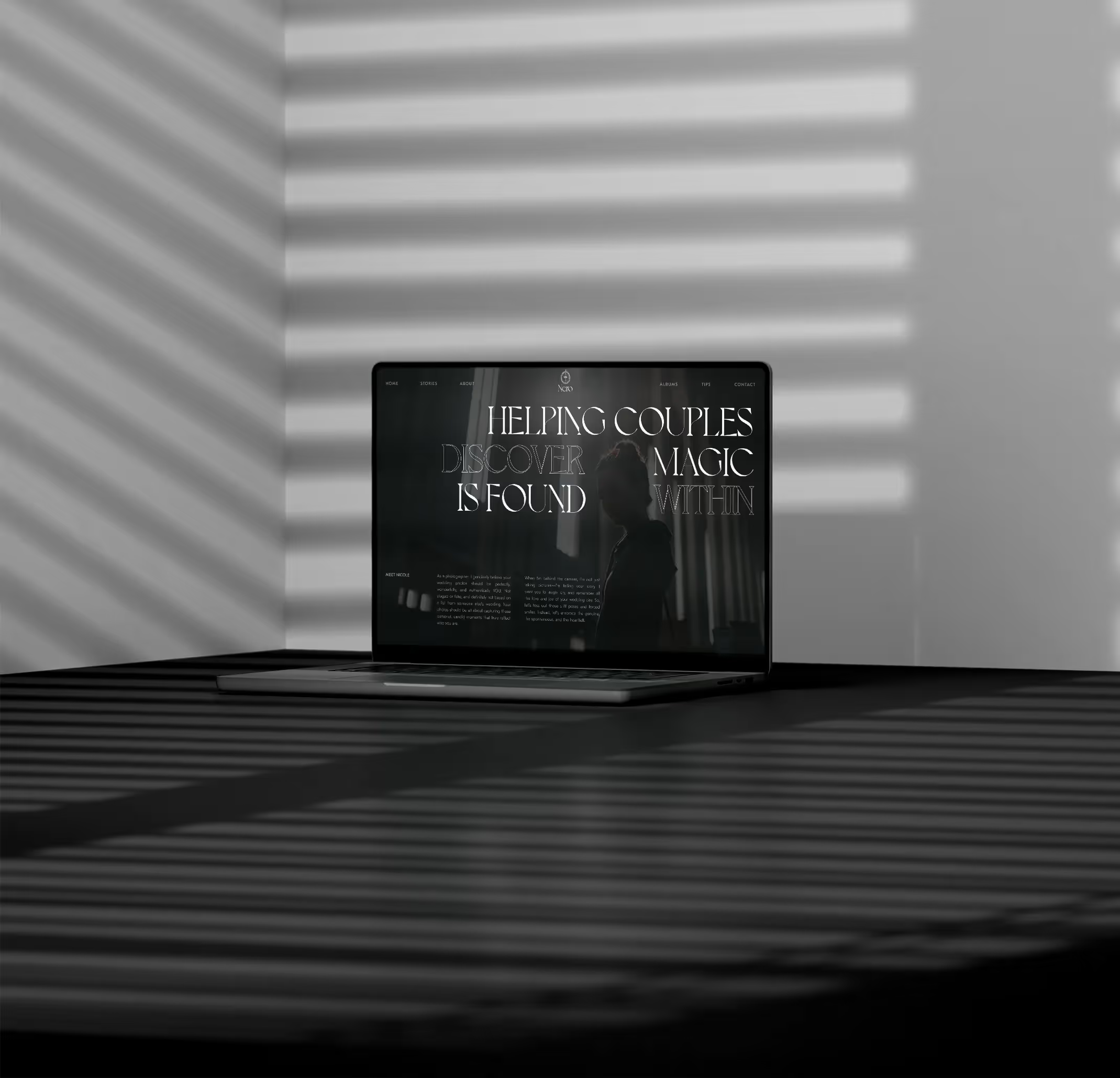
Why We Build on Webflow (and Not Showit or Squarespace)
Your website platform matters more as your business grows. After building sites on Showit, Squarespace, and Webflow, we’ve seen which ones hold up and which create friction over time. This post explains why we chose Webflow for Sandserif templates and what that means for your site long term.

Why Most Websites Never Feel Finished
If your website always feels one tweak away from being done, there’s usually a reason. Most sites aren’t built with clear structure or decisions upfront, which leads to constant edits and second-guessing. This post explains why that happens and how to avoid it.